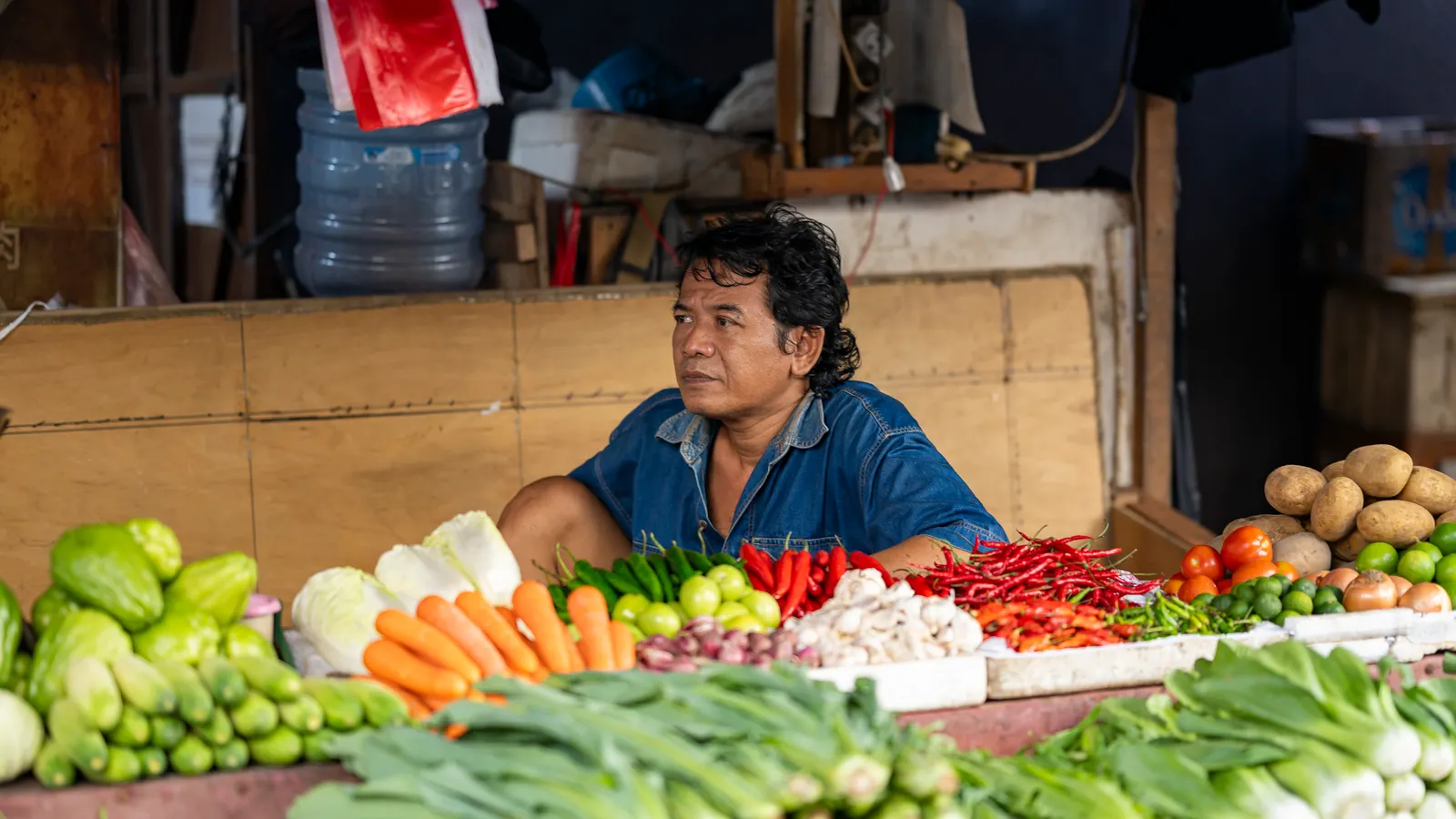
Every dawn, a dozen sacks of vegetable scraps pile up in the corner of Pasar Besar. They used to end their journey at a landfill, mixed with plastic and reeking by noon. Now most are sorted on site, carted to a simple composting shed behind the market, and returned as fertiliser sold at 15,000 rupiah a bag.
The change did not come from a grand policy. It started with a group of vendors irritated by rising cleaning fees, and ended with a small processing unit run by the market cooperative. Eight months in, the unit handles roughly 1.2 tonnes of organic waste a week.
Three new streams of value
At least three income streams have grown out of the sorting. First, compost, bought by nearby farmers and plant sellers. Second, animal feed made from scraps still fit for livestock. Third, craft material, with cardboard and hard plastics pressed into storage containers.
“At first we just wanted the market to stop smelling. It turned out there was money in it,” says Sri, the cooperative’s treasurer. She says the extra income pays for two part-time workers and replacement for the broken waste carts.
Circular economics at the market isn’t about clever technology. It’s about who is willing to sort from the very first bag.
What makes it fragile
Promising as it sounds, the model is not yet self-sufficient. Compost prices depend heavily on the planting season, and part of the operating cost still comes from a city programme. When heavy rain lasts for days, drying stalls and the piles return.
- Seasonality: compost demand collapses outside planting season.
- Labour: manual sorting needs people, not machines.
- Contamination: one bag of mixed plastic can ruin a whole batch.
Lessons for other markets
Market managers from two other cities have come to study the project. Sri’s advice is blunt: start with one type of waste, involve vendors from day one, and never promise quick profits. “If you tell them on day one that this is a big business, they’ll be disappointed,” she says.
On a small scale, none of this rewrites the market’s economics. But it does prove that waste can stop being a cost — and start being something people carry home.